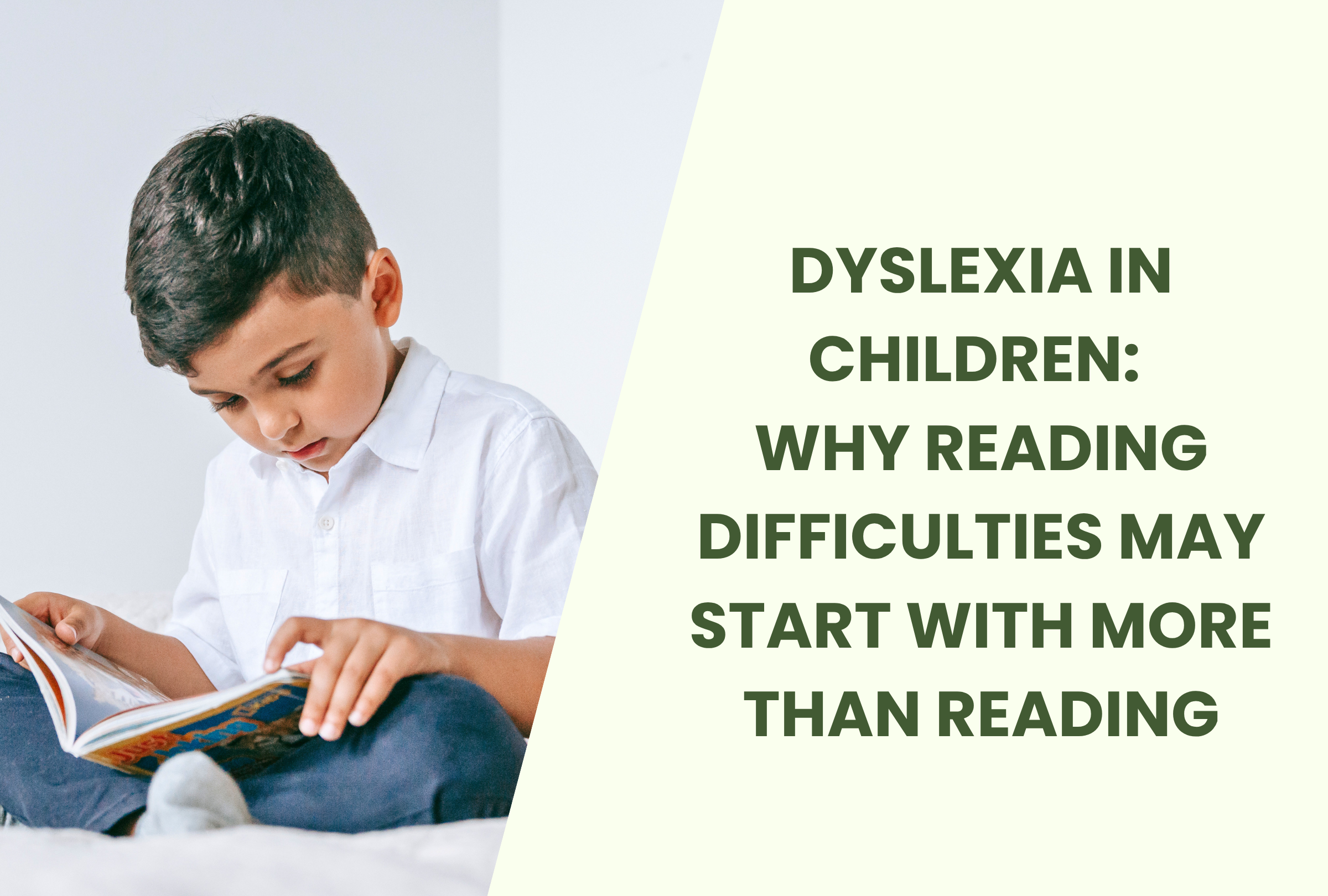
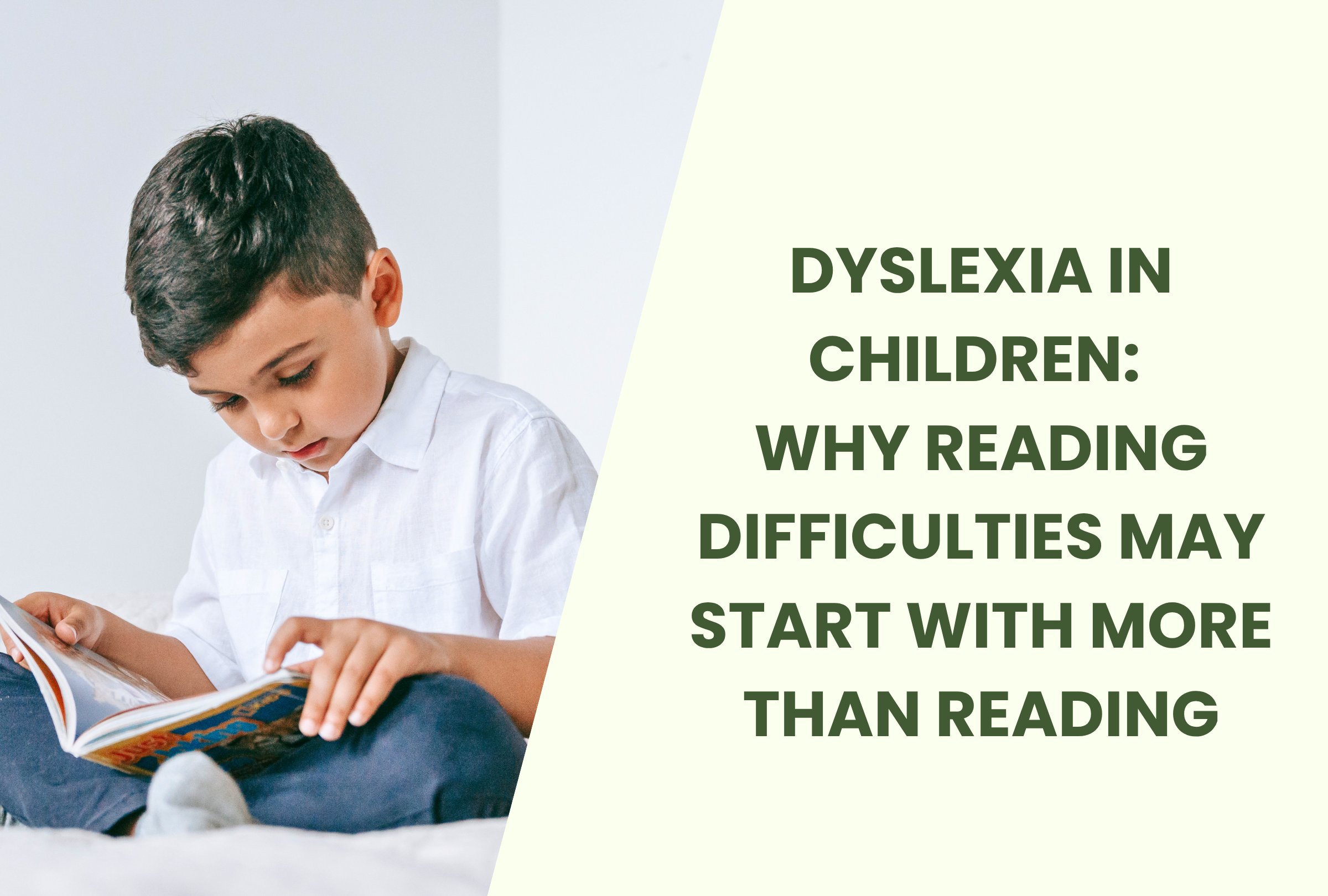
Dyslexia in Children: Why Reading Difficulties May Start With More Than Reading
If your child has dyslexia or struggles with reading, you may have spent years focusing on phonics, spelling, reading practice and literacy support.
But there is another part of learning that is often overlooked: the body.
Reading is not something the brain does alone.
A child needs to coordinate their eyes, ears, head, posture and body, while simultaneously processing sounds, recognising symbols, understanding direction and maintaining attention.
This doesn't mean movement difficulties cause dyslexia, or that sensory-motor work replaces literacy intervention.
It means there may be foundations underneath reading that are worth looking at too.
In this article
We'll look at:
why reading is actually a brain–body task
the role of movement, spatial awareness and directionality
how early reflexes relate to developmental foundations
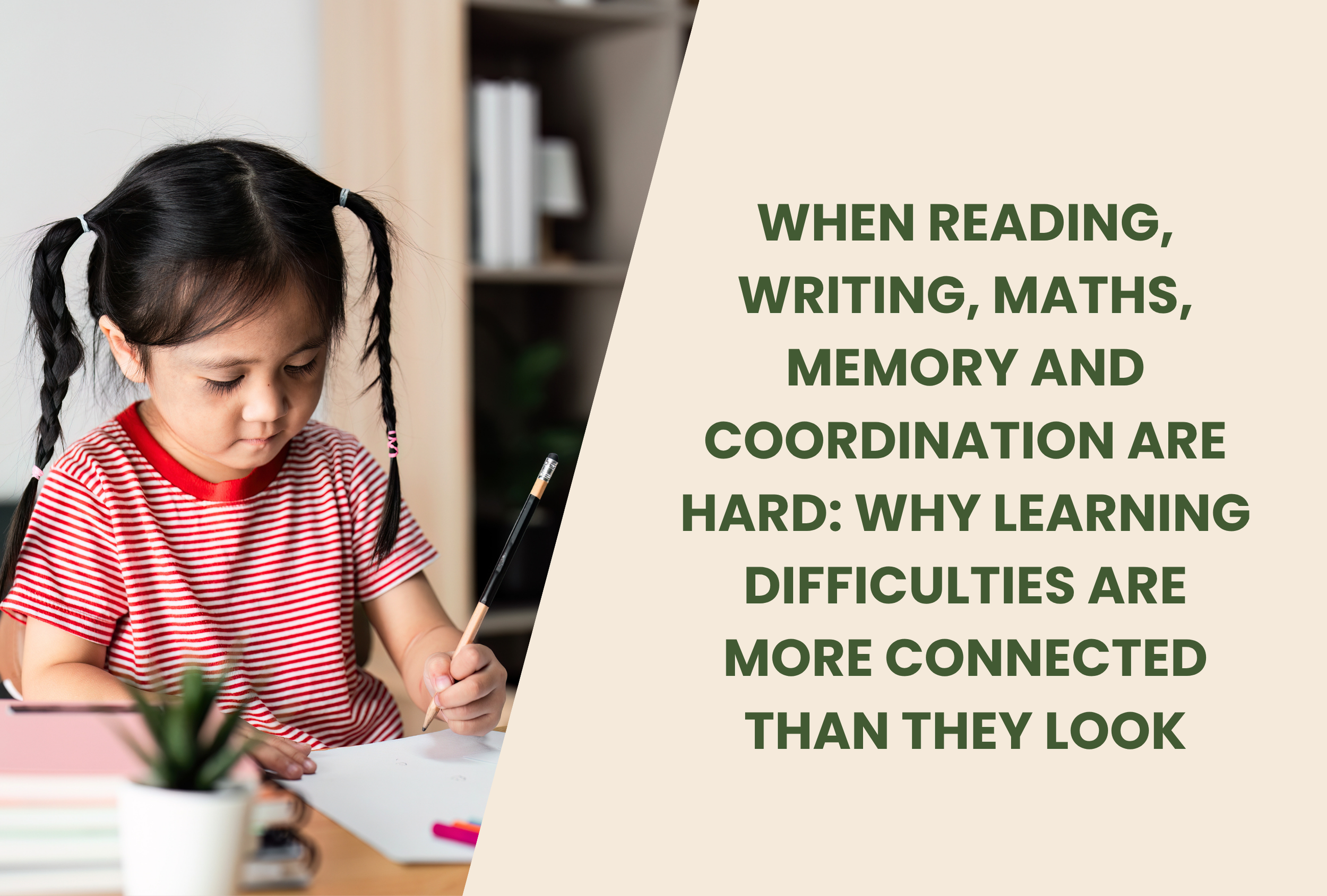
why handwriting difficulties can involve much more than the hand
where sensory-motor work may fit alongside dyslexia support
Reading involves much more than reading
Watch what your child's body has to do when reading a page.
Their eyes need to move smoothly across a line and find the beginning of the next one. Their brain has to understand left, right, direction and sequence. Visual information needs to be coordinated with sounds and language.
Meanwhile, the head and body need to remain sufficiently stable for all of this to happen.
Add writing and the demands increase again.
The child needs to stabilise their body, coordinate the shoulder, arm, hand and fingers, judge spacing and direction, remember what they want to write and organise those thoughts onto the page.
What looks like a simple classroom activity is actually an enormous coordination task for the brain and body.
Read: Learning Difficulties in Children — Looking Beneath the Academic Struggle
Before literacy comes movement
Long before children learn their ABCs, their brains are learning through their bodies.
Rolling. Reaching. Crawling. Turning. Balancing. Crossing the midline. Moving through space.
These experiences provide enormous amounts of sensory information to the developing brain and help build:
body awareness
left-right awareness
spatial orientation and directionality
balance and postural control
bilateral coordination
head-eye coordination
rhythm and sequencing
visual, vestibular and proprioceptive processing
These abilities don't suddenly become irrelevant when a child starts school.
They become part of the foundation upon which increasingly complex learning is built.
This is why, at Neural Connections, we sometimes look at learning difficulties from a different direction.
Instead of only asking:
“Which academic skill is difficult?”
we also ask:
“What does the brain and body need to do underneath that skill?”
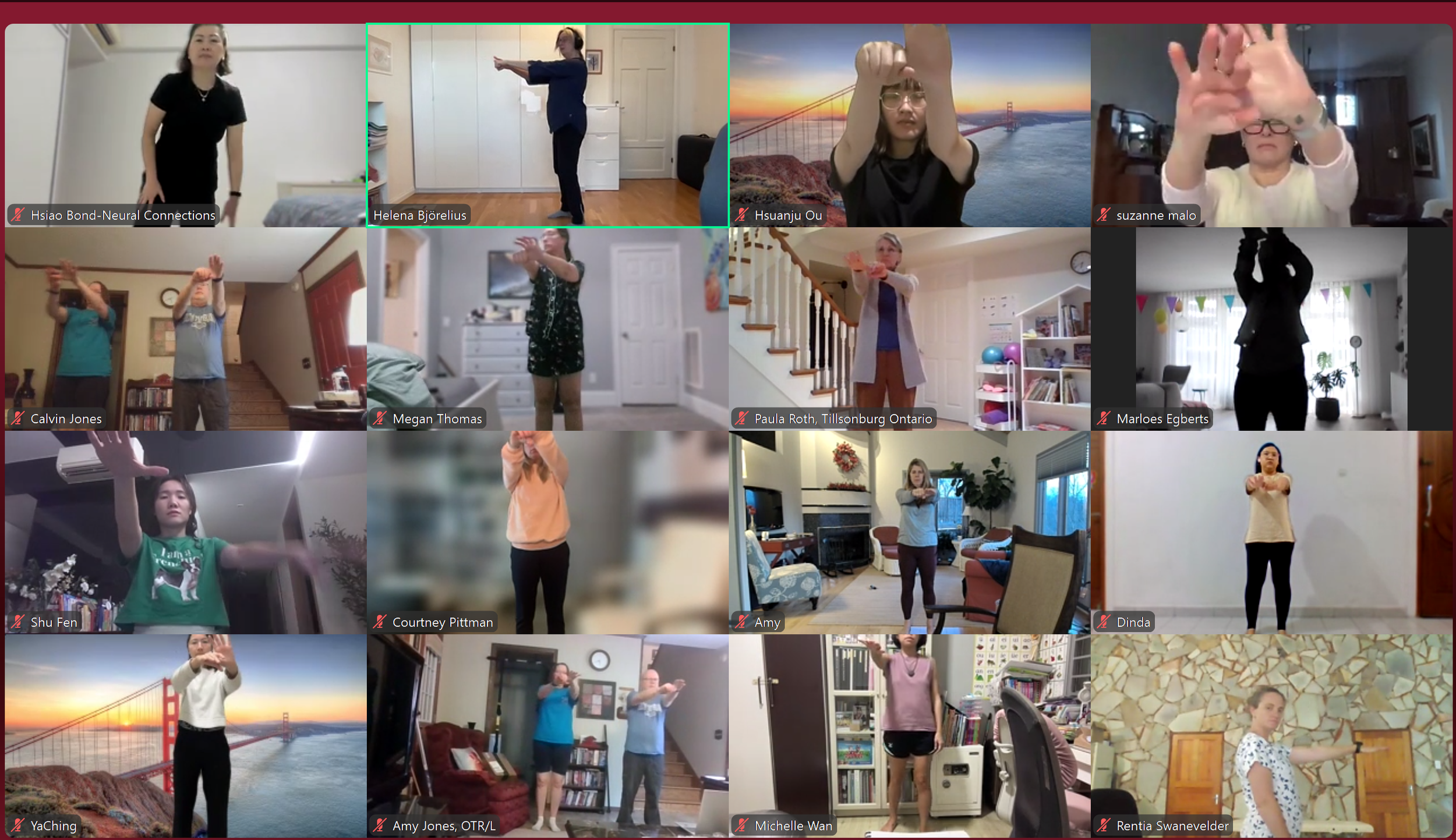
At the MNRI Toolbox for Dyslexia course, we share movements and exercises that are useful in helping the body prepare for learning.
What does this have to do with dyslexia?
Dyslexia is complex. There is no single cause, and children with dyslexia don't all have the same underlying profile.
Structured literacy, phonics, reading instruction and appropriate educational accommodations remain important.
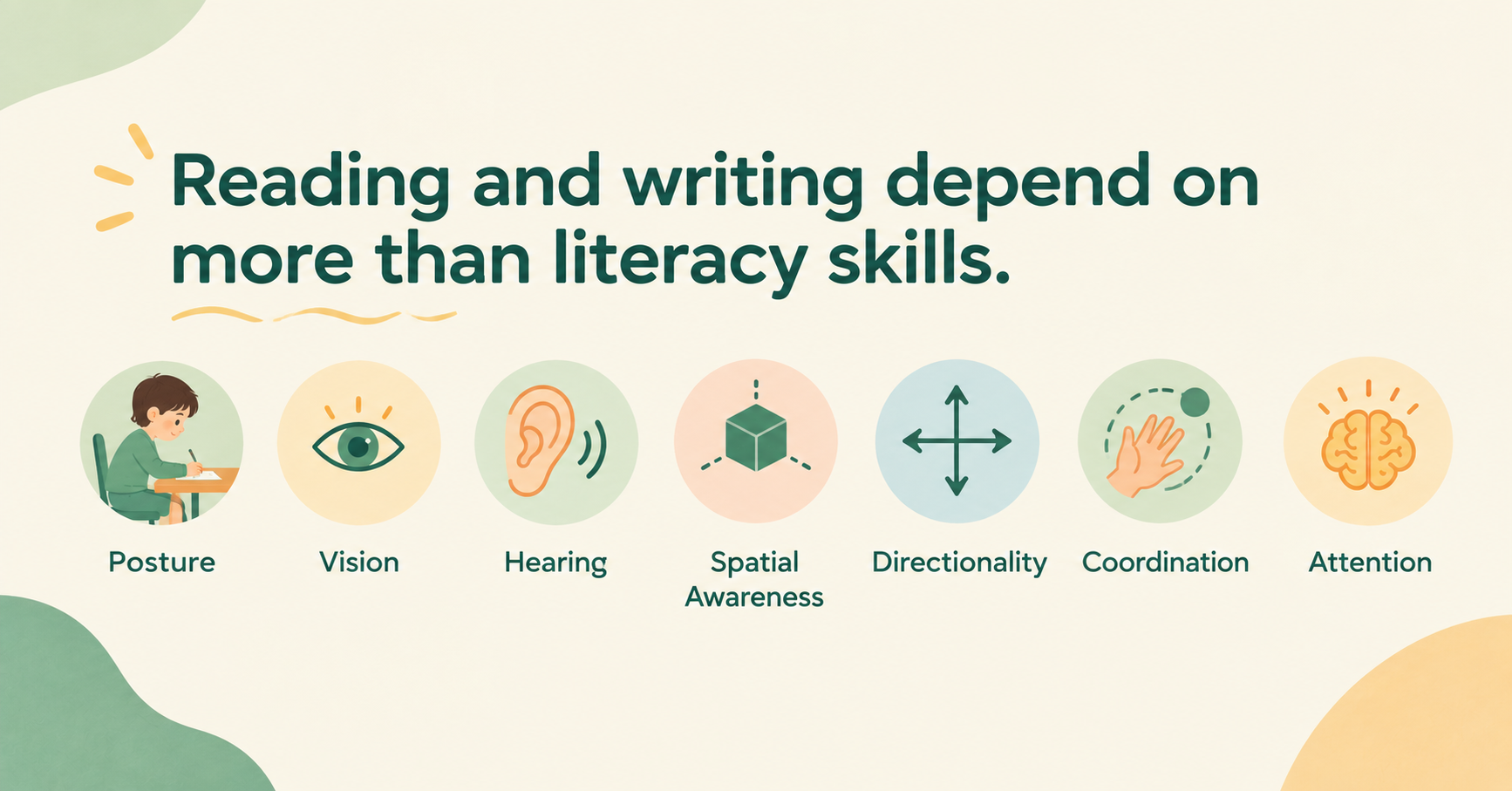
But consider some of the abilities involved when a child reads and writes:
Directionality: Which way does a letter face? Where does a word begin? Which direction do we move across the page?
Spatial awareness: Where is the body in relation to the desk, book and page? How are letters and words organised spatially?
Visual coordination: Can the eyes efficiently track, shift and work together?
Postural control: Can the body provide a stable base while the eyes and hands perform more precise tasks?
Auditory processing: Can sounds be accurately received, differentiated and sequenced?
Bilateral coordination: Can both sides of the body work together efficiently?
These aren't replacements for literacy skills.
They are some of the brain–body foundations being used while literacy skills are performed.
Where do primitive reflexes fit?
Early reflexes are part of normal neurological development.
They contribute to the baby's earliest movements and sensory experiences and, over time, become integrated into increasingly sophisticated voluntary movement.
When some reflex patterns remain overly active or inefficiently integrated, they may place additional demands on areas such as posture, balance, coordination, eye-head movement and bilateral integration.
Those same foundations are being recruited during classroom activities.
This is why reflex integration can provide an additional perspective when looking at a child's learning difficulties.
It does not mean that a retained primitive reflex causes dyslexia.
And reflex integration should not be presented as a replacement for established dyslexia or literacy intervention.
Instead, we can ask a broader question:
What foundations does this particular child need in order to make learning less effortful?
Why handwriting isn't just about the hand
This becomes particularly obvious with handwriting.
A child may know exactly what they want to say but struggle to get it onto paper.
You might notice:
very slow or effortful handwriting
an unusually tight pencil grip
slumping or leaning heavily on the desk
constantly changing position
difficulty copying from the board
inconsistent letter size or spacing
fatigue or avoidance when writing
becoming frustrated despite knowing the answer
It's easy to focus on the pencil grip.
But the hand is attached to the rest of the body.
Fine motor control relies partly on a stable foundation through the trunk and shoulders, together with body awareness, bilateral coordination, visual processing and coordinated movement.
More handwriting practice may therefore be useful — but it may not address every factor contributing to why handwriting is so demanding for that particular child.
The same diagnosis doesn't mean the same child
This is perhaps the most important point.
Two children can both have dyslexia and experience learning very differently.
One may struggle significantly with regulation and attention.
Another may have difficulty with posture, balance and eye-head coordination.
Another may find spatial awareness, directionality or motor planning particularly demanding.
Another may have relatively few sensory-motor difficulties at all.
The diagnosis may be the same. The foundations underneath each child can be very different.
That is why looking at the whole child matters.
Before asking a child to work harder, look underneath the skill
Parents often tell us:
“My child is bright. They understand it. But everything to do with school takes so much effort.”
That difference between ability and effort is important.
Instead of only asking:
“How can we get them to practise reading more?”
there is another useful question:
“What does this child's brain and body have to coordinate in order to read — and could any part of that foundation use more support?”
Literacy remains important.
But learning doesn't happen from the neck up.
The brain learns through a body.
Want to experience this rather than just read about it?
On 9–10 October 2026, Neural Connections is running the MNRI® Toolbox for Dyslexia in Singapore.
This practical two-day course is designed for parents, educators, homeschoolers and people supporting children with learning difficulties.
Rather than spending two days talking about dyslexia, we'll explore and practise sensory-motor and reflex activities related to foundations including:
spatial awareness and directionality
auditory and visual processing
memory and sequencing
hand-eye coordination
postural control
focus and attention
The aim isn't to replace literacy intervention.
It's to add another tool — and another way of understanding what's happening underneath learning.
9–10 October 2026 | Neural Connections, Novena, Singapore
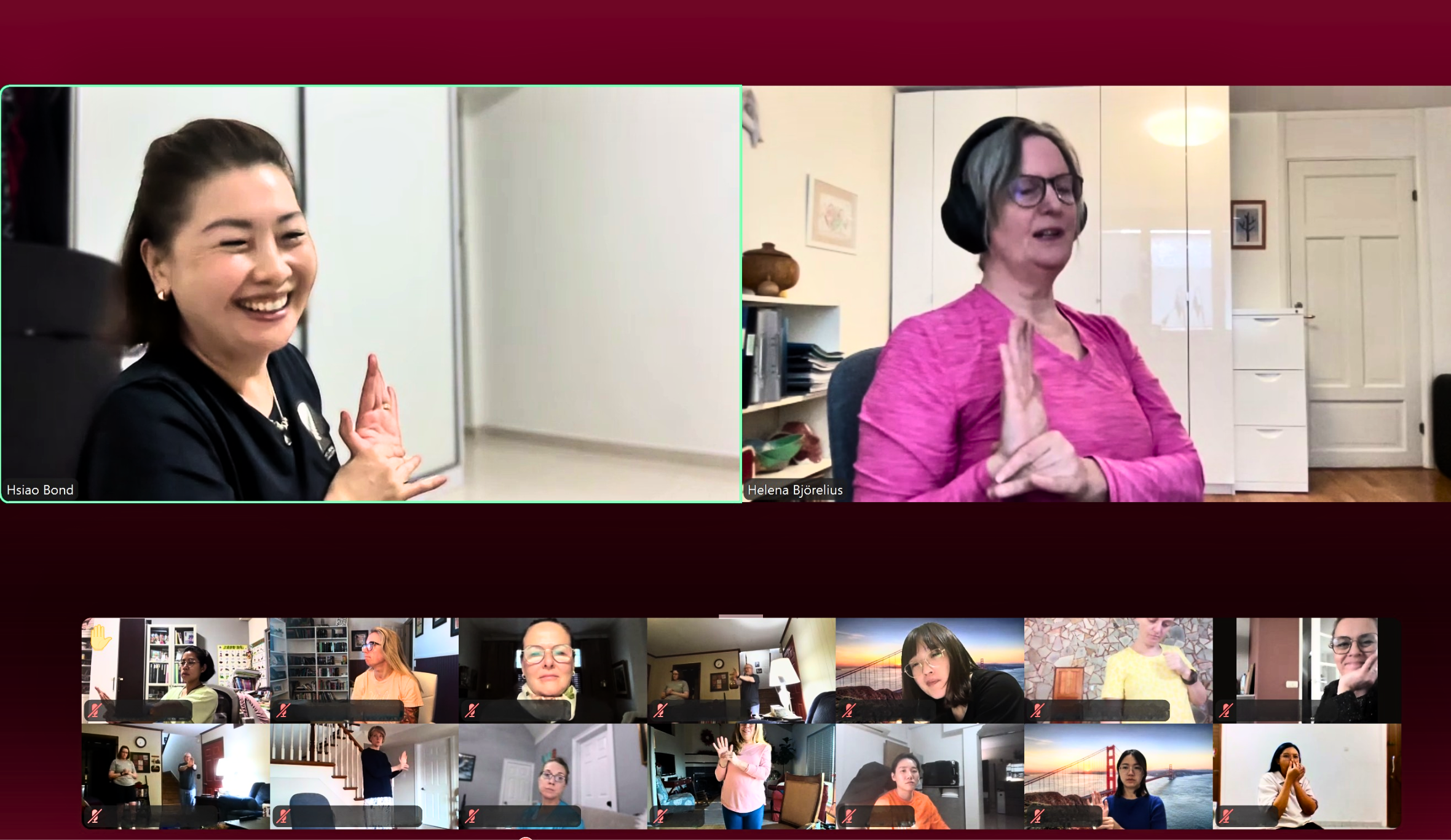
Sensory-motor and reflex activities support the body's ability for focus and attention, auditory and visual processing
FAQs
-
Dyslexia is complex and shouldn't be reduced to a single cause. At Neural Connections, reflexes are considered as one part of the broader sensory-motor and brain–body foundations involved in development and learning.
-
No. Appropriate literacy instruction and educational support remain important. Sensory-motor and reflex integration work provides an additional way of looking at some of the foundations being used during learning.
-
Movement helps develop body awareness, balance, spatial orientation, bilateral coordination and coordination between the head and eyes. These abilities continue to be recruited during classroom activities such as reading and writing.
-
Children with the same diagnosis can have very different profiles. Looking at areas such as posture, coordination, sensory processing, regulation, attention and reflex patterns can provide a broader picture of an individual child's strengths and challenges.
-
Yes. Neural Connections supports children experiencing dyslexia, reading and handwriting difficulties, attention challenges and broader learning difficulties through a brain–body, sensory-motor and reflex integration approach.