
Three Years of Rhythmic Connections & Teenage Belonging
By Ms. Lauren
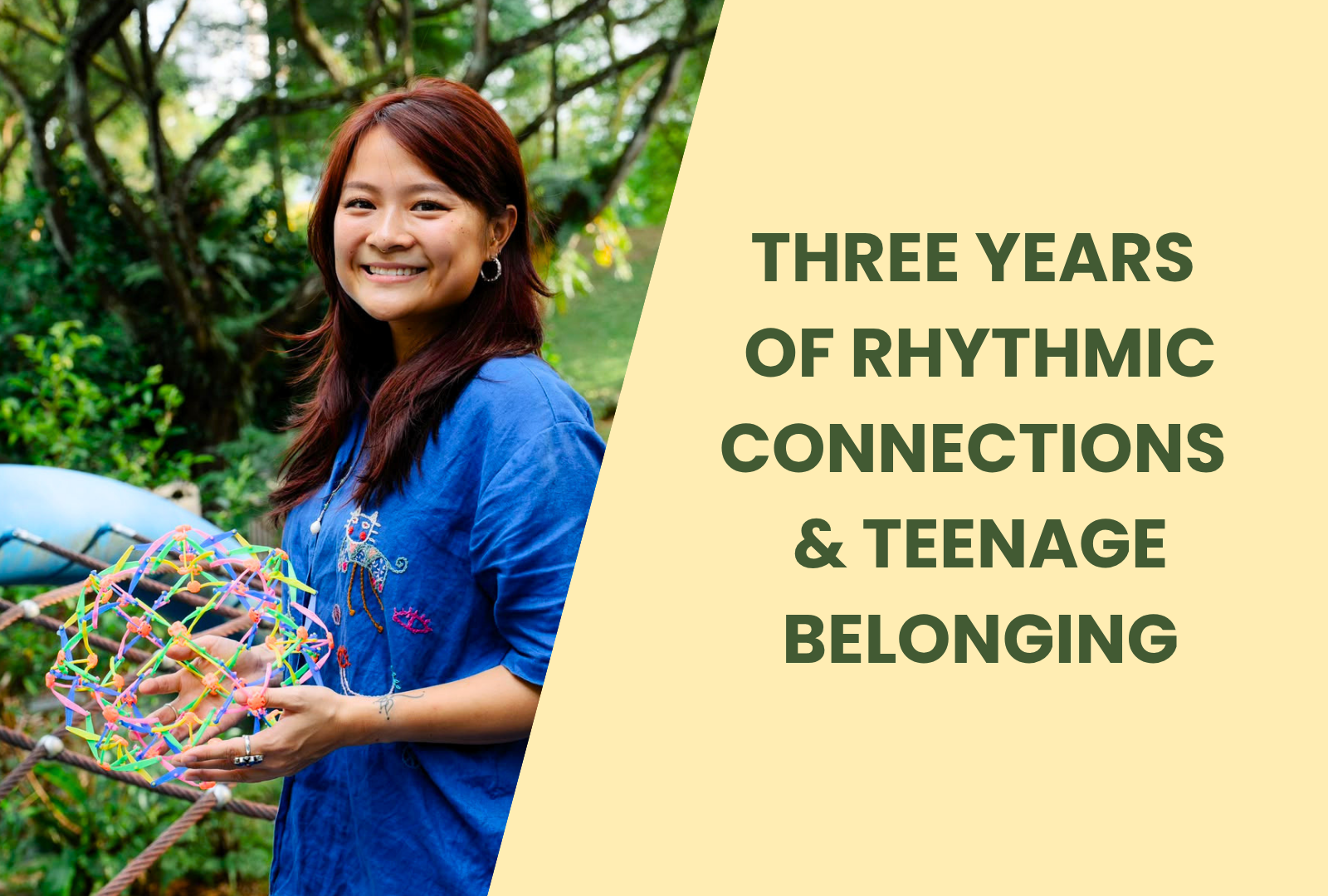
When Rhythmic Connections(RC) began, it started small, with a handful of neurodivergent (ND) tweens and teens gathering on Sunday mornings at Neural Connections, unsure of what to expect from each other or from me (Lauren) and our co-facilitator music therapist, Estelle. Almost three years later, some of these teens continue to grow with us term after term. Sitting with that continuity, watching a room of young people go from cautious silence to genuine, unfiltered laughter, has been one of the greatest honours of my work.
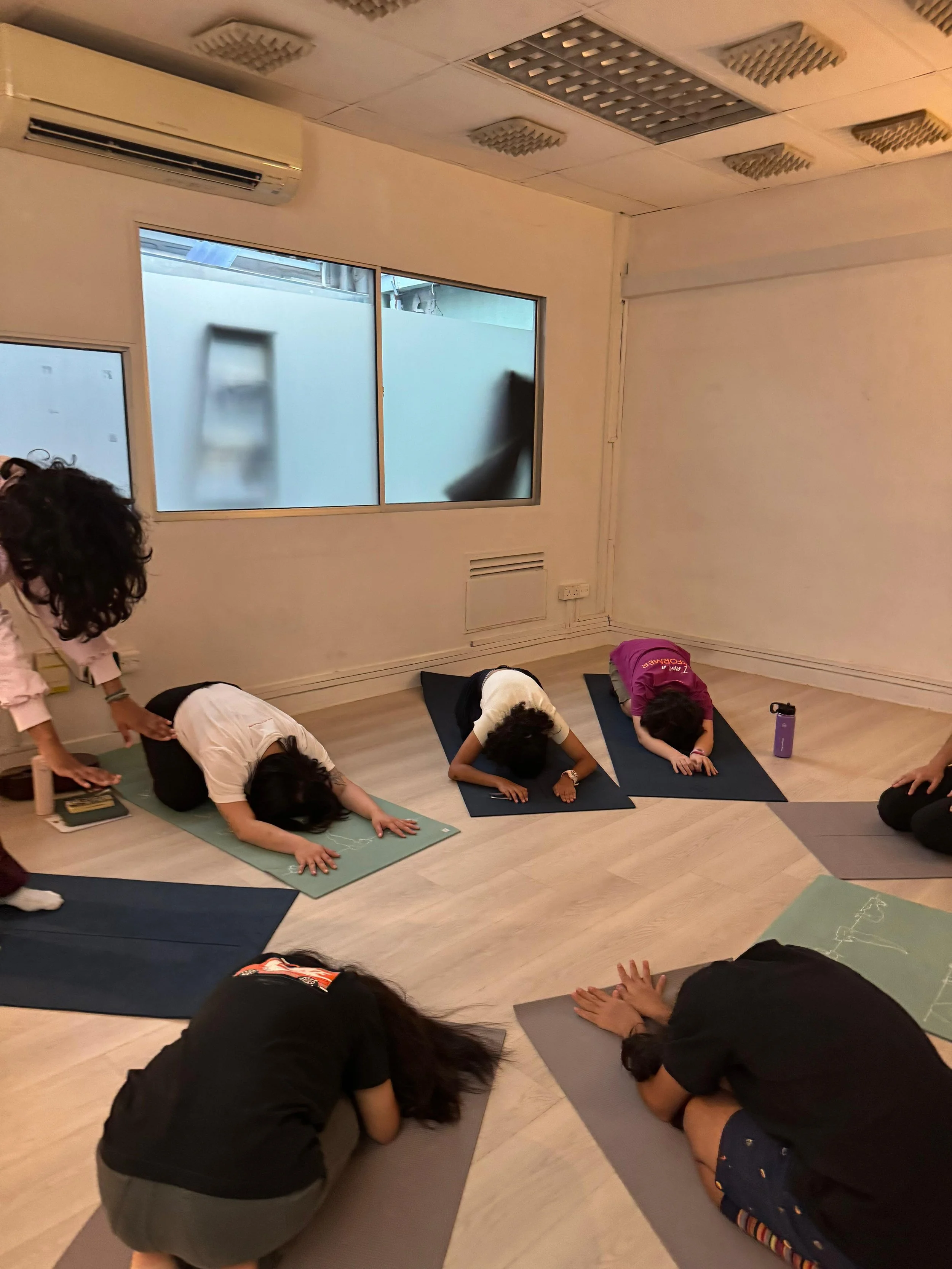
Early days of Rhythmic Connections in the centre.
Why We Created RC
As children move into the tween and teen years, something shifts. They become more aware of society, of how they're perceived, of where they stand in relation to others. Questions of belonging start to matter in a different, deeper way. Safe peer connection, friendship, and community stop being “nice to have” and become something essential, a real part of how a young person navigates who they are and what they need.
That's why we created Rhythmic Connections.
We've met many ND teens who struggle with making friends and maintaining them. As that need for connection deepens (beyond family connection), many ND teens learn to mask, shaping themselves into society's expectations of how socialising should look so they can belong. However, masking can feel like a survival skill in the short term and layer upon layer, it eventually reaches its limit, and the toll it takes on a person's mental wellbeing can take many years to heal.
Rhythmic Connections was intentionally designed to be the opposite of that. It's a space to practice showing up authentically, understanding what authenticity means to them and to have real, repeated experiences of safe peer connection, grounded in the principles of mindfulness, play, and creativity.
Over the past three years, the format and the activities have evolved, the program has improved vastly with an addition of social excursions (suggested by the teens themselves!). Through all of that change, the essence of belonging and connection remains unchanged.
What Keeps Teens Coming Back
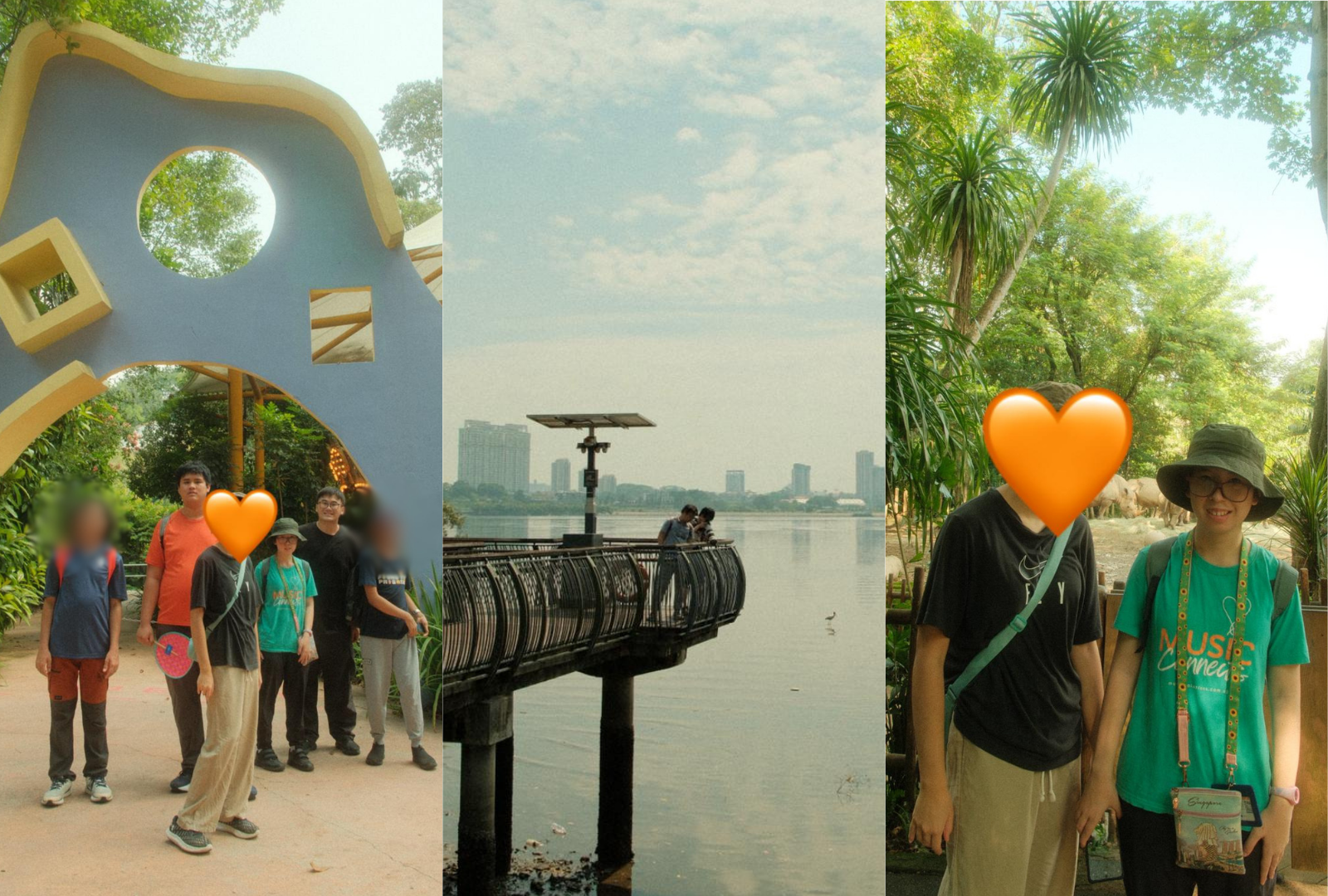
Rhythmic Connections now includes outings in nature, giving the teens an opportunity to expand their friendship beyond the RC "classroom"
Many teens return term after term. Some tell us it has become their weekly mindfulness practice. One teen shared with us “I like being here, because I can be myself”, another parent shared that “It’s been wonderful to see her so excited to wake up on Sunday mornings, eager to attend the classes. This level of enthusiasm has been a rare and delightful change for her” and a father sharing that his daughter “found a forum where she could express herself freely without being judged.”.
Others simply love having a space where they can have fun while quietly picking up the life skills they need to navigate real world like self-regulation tools, mindfulness techniques, body & breath awareness, communication skills and the confidence that comes from being met without judgment.
I think of a formerly guarded non-speaking teen who one day decided to share her words orally and her peers acknowledged her with enthusiasm, or an observant fifteen-year-old finding a room of peers who don't need an explanation for how she sees the world. Three years in, the clearest evidence of impact isn't a simple metric we can point to but the fact that teens who joined at 13 or 15 are still choosing to spend their Sundays with us as they continue to blossom into their teenhood and early adulthood.
What Rhythmic Connections Is Built On
Mindfulness: safe breathing exercises, simple yoga postures, body scans to improve intereoception ability, guided savasana, and creative regulation tools that help teens build body & breath awareness of their own nervous systems.
Creative expression: music thera-play, instrument exploration, group singing, arts and crafts, friendship beading, drumming, dance & free-flow movement that let feelings move through the body and be expressed.
Social connection: group sharing circles, feelings check-ins, and social excursions that give teens a low pressure way to practice connecting and being around each other.
Rest and regulation: In a fast moving society like Singapore, intentional rest and pausing is a skill that’s vital to practice to nurture our wellbeing and ensure our everyday life is sustainable.
About Ms. Lauren
A certified children's yoga teacher, multidisciplinary creative and the founder of Planting Seeds with Kids.
She is devoted to learning the unique verbal and non-verbal ways her students communicate, allowing her to create a space that feels safe and deeply attuned. Her experience involves working with tweens & teens of all abilities, including individuals with ASD, ADHD, OCD, and CP.
With an uplifting and joyful presence, she meets each child with empathy and intention.
Join Us for Term 3 & Term 4, 2026
Rhythmic Connections is opening its doors again this term for two age tracks: 9-12 and 13-18.
Term 3: Sundays Aug 23 - Oct 11
Term 4: Sundays Oct 18th - Nov 29th
Format - 7 sessions: 5 indoor sessions (90 mins) and 2 half-day social excursions
Ages 9–12: 3 spots left
Ages 13-18: 2 spots left
Spaces are limited to a maximum of eight teens per group, with two facilitators guiding every session.
WhatsApp: +65 8922 8464 (Lauren) for more information.
At Neural Connections, we focus on offering treatment and protocols to help neurodiverse children regulate their emotions and behaviour better. Schedule a Discovery Call with us today to see if we can help.