
Why Everything Feels Like a Fight: Rigid Thinking, Stress & Adaptability
By Sophia Klopp
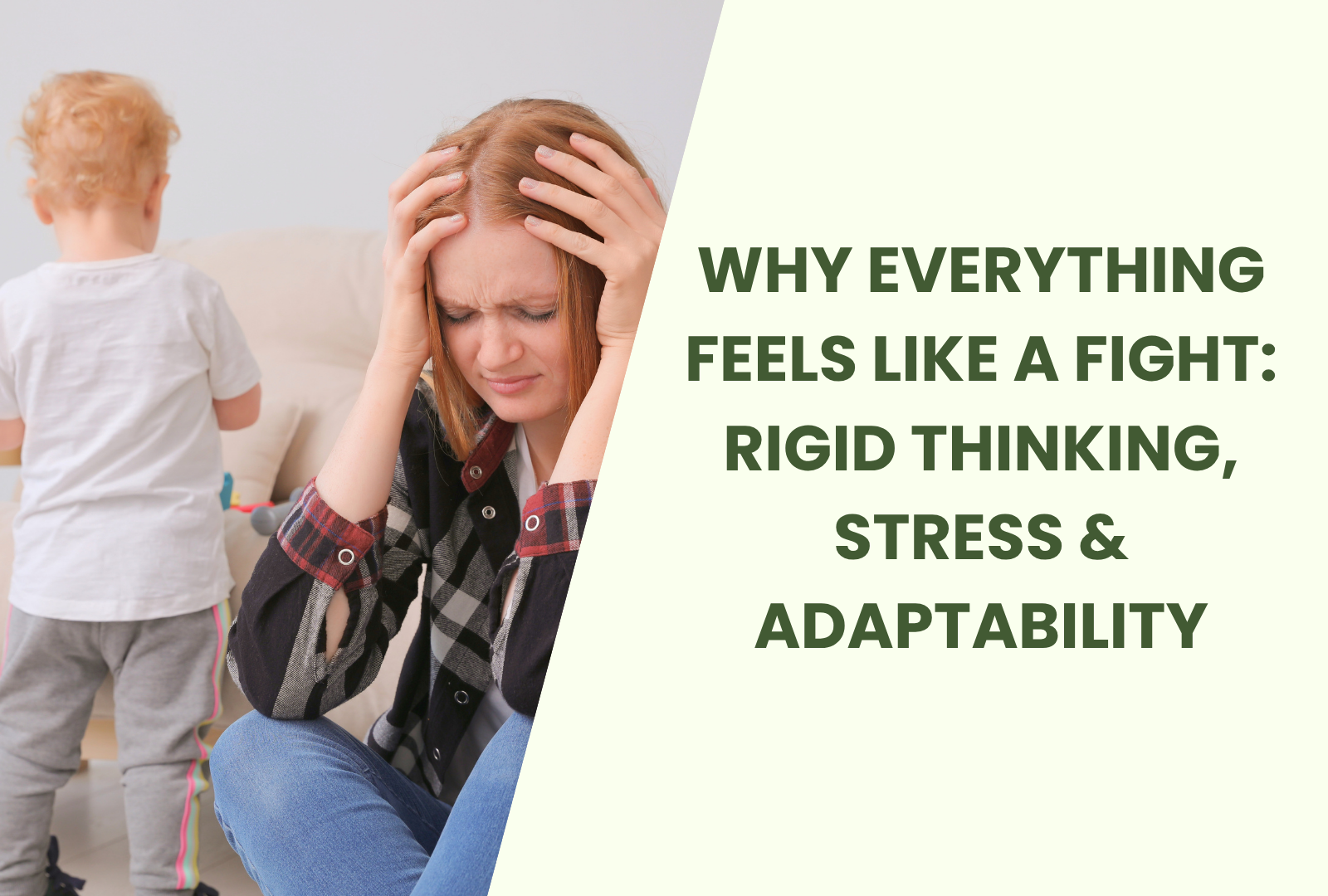
“Why is everything such a struggle?”
That was a question I found myself asking often with my son.
Small changes could lead to big reactions: impromptu plans, a change in timing, being asked to stop an activity he was deeply focused on. Even seemingly simple requests could sometimes turn into resistance, tears, yelling, or complete shutdown.
At times, it seemed like he needed the world to go exactly the way he expected in order to stay regulated.
As a parent practicing Positive Discipline, I understood that children do better when they feel better. I knew there was always something underneath the behavior. I knew connection mattered. And yet, there were moments where I still found myself wondering:
Why does everything feel so hard for him? I just want things to be easy.
Looking Beneath the Behavior
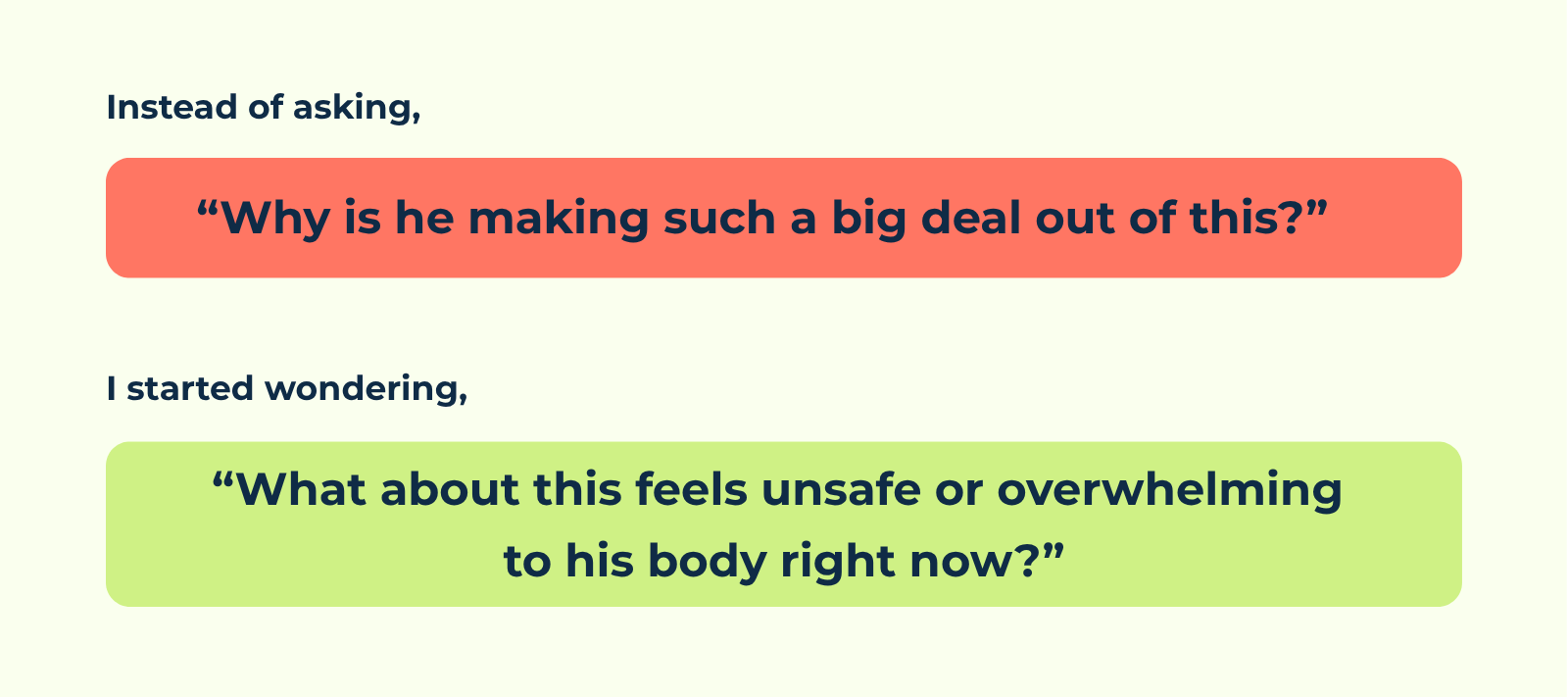
For a long time, I interpreted some of this as emotional sensitivity, strong-willed behavior, anxiety, or difficulty adapting. Sometimes I wondered whether he was trying to control situations because he felt powerless elsewhere. Some of that may have been true. But after beginning our MNRI journey at Neural Connections, I started seeing another layer underneath it all.
I began learning how stress and reflex integration can affect adaptability.
When a child’s nervous system is already carrying a high stress load, flexibility becomes much harder. Even small changes can feel unpredictable to the body. What looks like “overreacting” or “being difficult” may actually be a nervous system trying very hard to hold onto safety and predictability.
That really changed how I viewed his reactions.
Understanding Reflexes & Stress Responses
One of the reflexes we learned about during the MNRI Parent Workshops was the Fear Paralysis Reflex, which relates to the body’s freeze response under stress. Another was the Moro reflex, often connected to hyper-alertness and stress reactivity. We also learned about reflexes connected to adaptability, transitions, focus, posture, and emotional regulation.
What’s interesting to me, and challenging as well, was seeing how all these things were connected. The rigidity. The meltdowns when plans changed. The intense reactions over things that didn’t seem like a big deal to everyone else. It made me realise how hard his body was working just to get through the day.
I started seeing how much energy my son’s body was spending trying to cope with daily life.
The Parent’s Nervous System Matters Too
There was also something else I had to face honestly as a parent: his rigidity often triggered my own nervous system too.
When mornings were running late or plans needed to happen quickly, I could feel my own urgency rise. Sometimes I responded calmly. Sometimes I didn’t. Sometimes I slipped into lecturing, threatening consequences, or trying to reason with him while he was already overwhelmed.
The more I learned about regulation, the more I realised that adaptability is hard to access when the nervous system feels unsafe. Not just for children, but for adults too.
Gradual Changes & Growth
As we continued MNRI work at home and at Neural Connections, I noticed gradual shifts.
Transitions became smoother. Recovering from disappointment became easier. He became more open to alternatives and suggestions. There was less black-and-white thinking around certain situations.
Of course it didn’t happen overnight. It was more like his body slowly developing more capacity to handle stress without getting overwhelmed so quickly.

Shifting Parenting Approaches
At home, I also started responding differently. Instead of immediately pushing flexibility, I focused more on connection and helping him feel safe first. Sometimes that looked like giving multiple earlier transition warnings, involving him in problem-solving, or just revisiting things later when both of us were calmer.
I also had to remind myself that adaptability is a skill, not something children can always access on demand when they’re stressed.
Reframing “Difficult” Behavior
I think many parents wonder if they’re parenting “wrong” when their child seems rigid, controlling, or overly sensitive. Or they may think that no one will like their child as they grow up. But sometimes underneath all that is simply a child whose body is struggling with unpredictability and overwhelm.
Understanding this brought more compassion into our home. There were still boundaries and hard moments, but I stopped seeing him as a child intentionally making life difficult.
Today, my son is far more adaptable than he used to be. There are still moments where transitions are hard or emotions run high, but it no longer feels like everything becomes a battle.
And perhaps one of the biggest shifts has been this:
I no longer see adaptability as something I need to force out of him.
I now see that adaptability grows when the body feels safer.
About Sophia Klopp
Sophia’s family started their journey with Neural Connections in April 2025. She is a mother of three (19, 14, and 10), a Certified Positive Discipline Parent Educator, Trauma-Informed Facilitator, and Co-Director of Chapter Zero Singapore. Sophia shares practical strategies and mindful communication techniques to help parents, caregivers, and educators build respectful, authentic connections with children.
To learn more about Positive Discipline strategies, follow Positive Discipline Singapore on Facebook and Instagram at @positivedisciplineSG. You can also follow Sophia’s respectful parenting journey at @betheircalm on Instagram. To learn more about Chapter Zero Singapore and its trauma-informed, neuro-affirming work in compassionate communication, play, The Mindful Educator, and The Mindful Caregiver, visithttps://www.chapterzero.org/.
At Neural Connections, we focus on offering treatment and protocols to help neurodiverse children regulate their emotions and behaviour better. Schedule a Discovery Call with us today to see if we can help.