
Is My Child Really Not Listening? Looking Beneath "Selective Hearing"
By Sophia Klopp
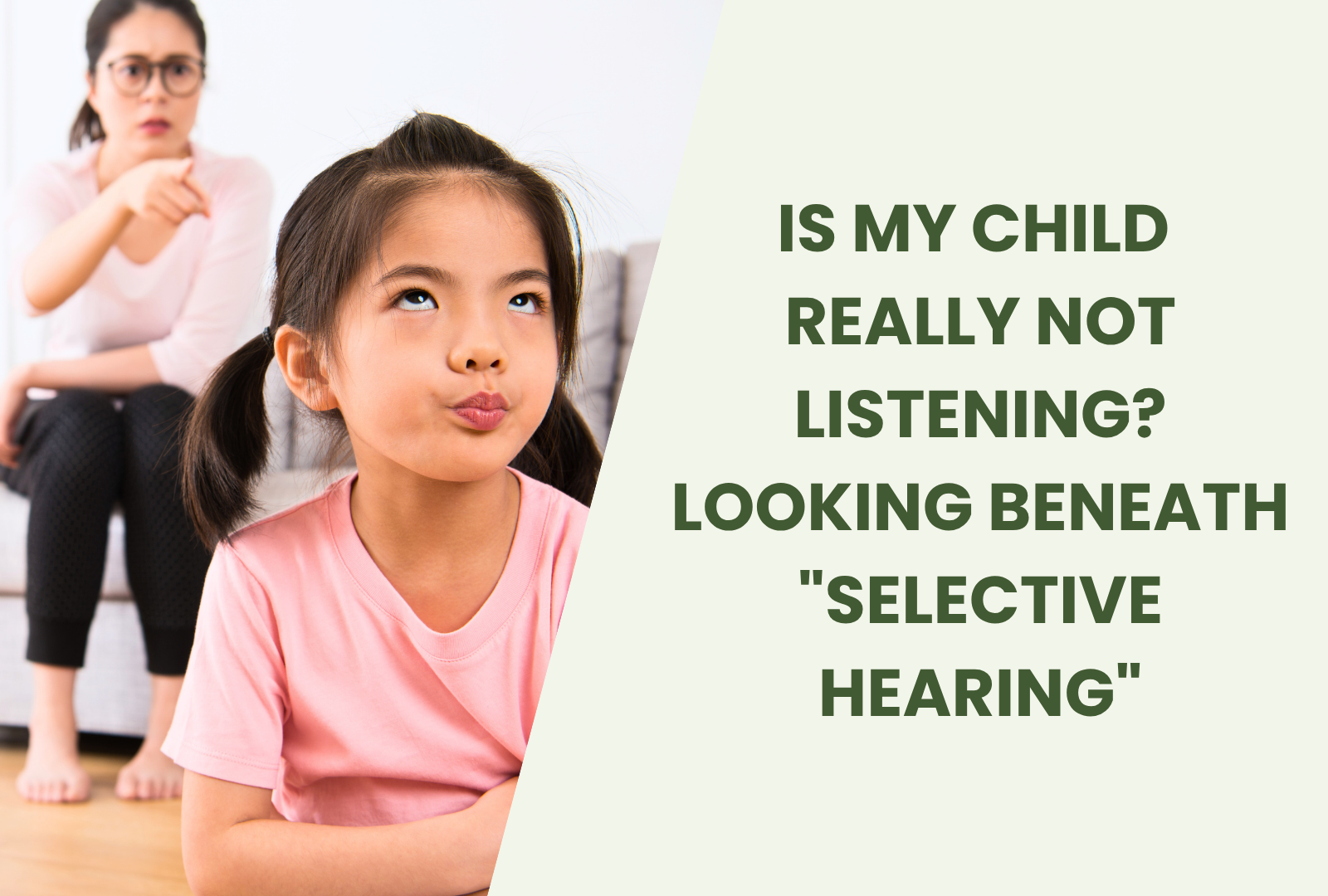
"How many times do I have to tell you?"
I think every parent has said those words at some point.
"Please put your shoes on."
Nothing.
"Can you brush your teeth?"
Still nothing.
By the fourth or fifth reminder, it's easy to conclude that our child is ignoring us. We joke about "selective hearing" or wonder whether they're simply choosing not to listen.
I've been there too.
As a parent educator, Positive Discipline has taught me to become curious before jumping to conclusions. Instead of asking, "Why won't my child listen?" I've learned to ask, "What might be getting in the way?"
That question has opened many doors for me over the years.
Looking Beyond Hearing

Recently, I watched a talk by Dr. Leah Light, an audiologist who spoke about prolonged middle ear fluid and how its effects may extend beyond hearing alone. She shared possible links with auditory processing, motor development, sensory processing, visual-auditory integration, primitive reflexes, and nervous system regulation. She also shared how she saw many cases where children do not complain of ear pain but she noticed a slight imbalance in their movements.
I found myself thinking about my own family.
Both of my older children had grommets (ear tubes) inserted when they were young because of persistent middle ear fluid. At the time, I never questioned whether it could affect anything beyond hearing. We followed the medical advice, the fluid eventually resolved, and life moved on.
Listening to Dr. Light, I couldn't help but wonder.
Could some of the struggles we experienced back then have been connected in ways we simply didn't understand? I honestly don't know. There's no way to know for certain. But it reminded me how much we're still learning about children's development and how beautifully interconnected the brain and body really are.
Understanding What It Really Means to Listen
My youngest son's journey looked different.
His biggest challenge wasn't frequent ear infections. It was school refusal, emotional regulation, handwriting, and stress. Through our work with Neural Connections, I learned that listening itself is actually a surprisingly complex skill.
Listening isn't just about ears working properly.
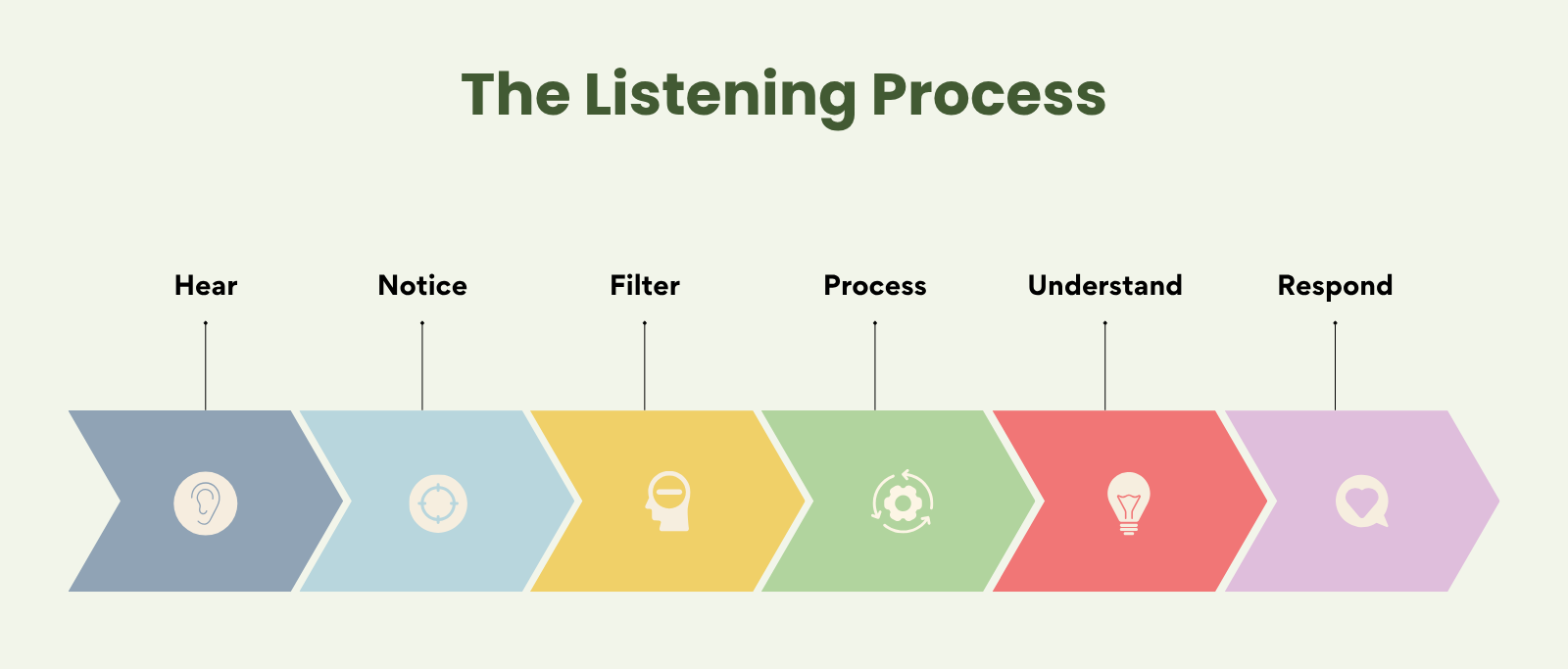
A child first has to notice that someone is speaking. Then filter out all the other sounds around them. Shift their attention. Process the words. Make sense of what they've heard. Decide what to do next. Finally, their body has to carry out that response.
When a nervous system is under stress, that whole process can become much harder.
A Different Perspective Changed Everything
Looking back, there were moments when I thought my son wasn't listening.
Sometimes he genuinely hadn't registered what I'd said because he was so focused on something else. Other times, I could see his body freeze the moment too many instructions came at once. If I repeated myself louder and louder, it rarely helped. It usually adds more stress to an already overloaded system.
Learning about MNRI gave me another perspective.
During the Parent Workshops, I began to understand how reflexes involved in orienting, stress responses, posture, and sensory processing all contribute to a child's ability to listen and respond. Listening is something the whole body participates in.
That changed how I communicate at home.
I still very much prefer for my children to listen of course. Boundaries are still important.
What changed was how I helped them get there.
Sometimes I walked closer before speaking. Sometimes I made eye contact first. Sometimes I gently touched a shoulder before giving an instruction. Sometimes I realised my son needed a moment to transition before his brain could take in what I was saying.
Connection Before Correction
Interestingly, these are many of the same things we encourage in Positive Discipline. Connect before correcting. Get into the child's world before expecting them to enter ours.
The more I learn about the nervous system, the more those parenting principles make sense to me.
I also find myself being slower to label children.
Instead of thinking, "He never listens," I wonder whether listening simply feels harder for him at that moment.
That doesn't mean children shouldn't learn responsibility or follow through with expectations. It simply means we stay curious about what might be making it difficult.

A Different Question
As parents, we often don’t see the full picture right away. We see behaviour. We don't always see the amount of work happening underneath.
Perhaps that's one of the biggest lessons this journey has taught me.
Sometimes the question isn't, "Why won't my child listen?"
Sometimes it's, "What might help my child be more available to listen?"
For me, that question has led to much more connection, and far less frustration.
"We see behaviour. We don't always see the amount of work happening underneath."
About Sophia Klopp
Sophia’s family started their journey with Neural Connections in April 2025. She is a mother of three (19, 14, and 10), a Certified Positive Discipline Parent Educator, Trauma-Informed Facilitator, and Co-Director of Chapter Zero Singapore. Sophia shares practical strategies and mindful communication techniques to help parents, caregivers, and educators build respectful, authentic connections with children.
To learn more about Positive Discipline strategies, follow Positive Discipline Singapore on Facebook and Instagram at @positivedisciplineSG. You can also follow Sophia’s respectful parenting journey at @betheircalm on Instagram. To learn more about Chapter Zero Singapore and its trauma-informed, neuro-affirming work in compassionate communication, play, The Mindful Educator, and The Mindful Caregiver, visithttps://www.chapterzero.org/.
At Neural Connections, we focus on offering treatment and protocols to help neurodiverse children regulate their emotions and behaviour better. Schedule a Discovery Call with us today to see if we can help.